Smart Ways to Choose Sports Club Uniforms for Your Team
Introduction
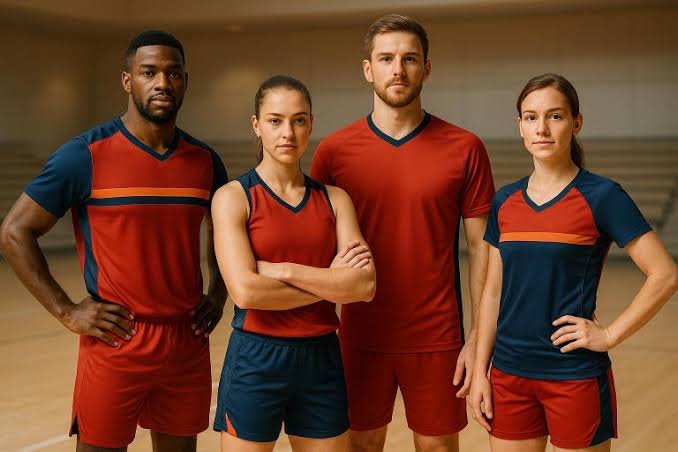
A club uniform does more than identify players during a match. It supports team unity, reflects club values, and helps athletes feel prepared. Smart choices begin with practical questions about sport, weather, movement, washing, and budget. Each answer shapes fabric, colour, fit, and ordering quantities. By reviewing these points early, committees can select clothing that suits regular training, weekend fixtures, community events, and changing player numbers without creating unnecessary costs.
Set Clear Uniform Priorities
Teams benefit from a short list of priorities before comparing products. Match rules may require specific colours, sleeve lengths, numbers, or sponsor positions. Training clothing can allow greater flexibility. Coaches, players, and committee members should record essential features first. This approach keeps decisions focused and prevents attractive extras from taking attention away from comfort, visibility, and reliable use.
Compare Sports Club Uniforms by Activity
Different activities place different demands on clothing. Football players may need stretch panels and breathable tops, while cricket teams can require longer sleeves and protective layers. Basketball groups often value lightweight singlets and flexible shorts. Reviewing sports club uniforms by activity helps committees match garments with movement, weather, contact levels, and match rules. This comparison also supports consistent choices across junior and senior squads.
Check Fabric Performance
Fabric affects comfort throughout training and competition. Moisture-managing materials can help reduce the heavy feeling caused by sweat. Lightweight knits may suit warm conditions, while thicker blends can provide extra warmth during cooler sessions. Teams should also check colourfastness, seam strength, and drying time. A fabric that washes well can reduce replacement needs across a full season.
Prioritise Fit and Movement
A suitable cut should allow players to run, bend, jump, and reach without restriction. Shirts need enough room across the shoulders, while shorts should stay secure during repeated movement. Loose clothing can catch during contact sports, yet tight garments may reduce comfort. Size charts should be measured against actual body dimensions. Sample garments can help confirm fit before a large order.
Plan Colour and Number Details
Clear colours help teammates recognise one another quickly during play. Strong contrast between shirts and numbers improves visibility for officials and spectators. Committees should test artwork against the chosen fabric colour before approval. Number placement also needs review, especially where sponsors, badges, or league marks appear. A simple layout usually looks professional and remains readable after frequent washing.
Allow for Weather Changes
One garment rarely suits every season. Clubs can plan a small clothing system that includes match tops, training shirts, warm-up jackets, and weather layers. Cold-weather items should fit over base clothing without limiting arm movement. Lightweight options can support outdoor sessions during warmer months. Reviewing local conditions helps prevent last-minute purchases and keeps players prepared for unexpected changes.
Calculate Quantities Carefully
Order numbers should reflect current registrations, likely growth, replacement needs, and coaching requirements. A small reserve can cover late sign-ups, damaged garments, or size changes. However, excessive stock ties up club funds and may leave outdated colours unused. Committees should separate confirmed player orders from spare inventory. A shared spreadsheet can track names, sizes, numbers, payments, and collection dates.
Review Costs Beyond Purchase
The lowest purchase price may not represent the best value. Teams should assess printing, embroidery, delivery, samples, alterations, and future replacement costs. Durable fabric may cost more initially but reduce repeat orders. Clear payment deadlines can support cash flow for community clubs. Comparing the complete order cost gives committees a fairer basis for selecting garments and suppliers.
Confirm Care Requirements
Simple care instructions help uniforms remain presentable across repeated use. Players should know suitable washing temperatures, drying methods, and storage practices. Harsh heat can affect elastic, prints, and fabric shape. Separate washing may protect pale colours from darker garments. Clubs can include care notes with each order, helping families protect their purchase and reduce avoidable damage.
Conclusion
Choosing a club uniform becomes easier when practical needs guide every decision. Teams should assess activity demands, fabric behaviour, fit, colour contrast, weather layers, order quantities, total costs, and care instructions. Early consultation also gives players and families a clear voice in sizing and comfort. A focused process supports consistent presentation, sensible spending, and clothing that remains useful across training sessions, matches, and future seasons.











Post Comment